
Lesson #1 - USDPLN
The USDPLN currency pair combines the United States dollar (USD), the official currency of the United States, with the Polish złoty (PLN), the official currency of Poland. USDPLN is a significant currency pair for investors and businesses operating in the Polish market or engaging in trade with the United States.
Poland, as the largest economy in Central and Eastern Europe and a member of the European Union, has a dynamically developing market with increasing importance on the international stage. The USDPLN exchange rate is shaped by differences in monetary policy between the U.S. Federal Reserve (Fed) and the National Bank of Poland (NBP), as well as macroeconomic factors, geopolitical events, and global market sentiment.
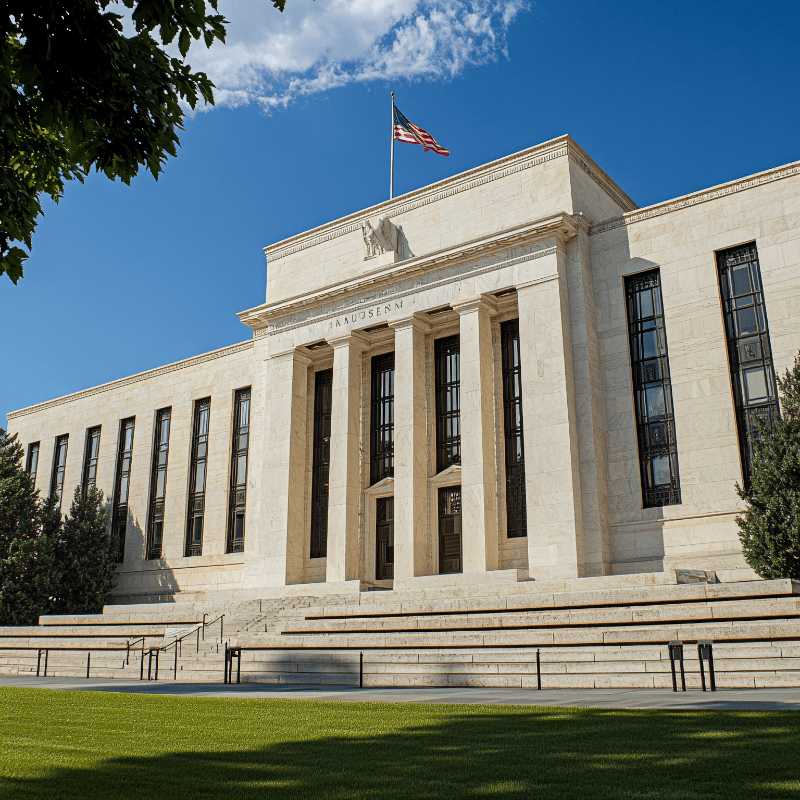
Characteristics and Specifics
Monetary Policy: Decisions by the Fed and NBP regarding interest rates, quantitative easing programs, and other monetary policy tools directly impact the USDPLN exchange rate. Interest rate differentials between the U.S. and Poland affect capital flows and the attractiveness of investments in both currencies.
Macroeconomic Data: Releases of economic indicators such as GDP, inflation rates, unemployment figures, industrial production, and trade balances from both countries influence the value of USD and PLN. Strong economic data from the U.S. can strengthen the dollar, while positive information from Poland can bolster the złoty.
Trade Relations: Trade between Poland and the United States, while not dominant in Poland's export structure, plays a significant role in shaping the USDPLN exchange rate, especially concerning foreign investments and technology exchange.
Influence of the Euro: As a member of the European Union, Poland is economically closely linked with Eurozone countries. Therefore, the USDPLN exchange rate is indirectly influenced by the EURUSD pair and the overall condition of the European economy.
Geopolitical Factors: Political events such as elections, changes in government policy, international tensions, or Poland's relations with the European Union and neighboring countries can affect the złoty's exchange rate against the dollar.
Global Market Sentiment: The U.S. dollar is considered a safe-haven currency. During times of global uncertainty, investors often shift capital into USD, which can lead to the dollar strengthening against the złoty.
Summary
USDPLN is a currency pair offering traders and investors opportunities arising from differences in monetary policy, macroeconomic data, and geopolitical factors of both countries.
Key aspects to monitor include:
Central Bank Decisions: Tracking announcements and decisions by the Fed and NBP regarding interest rates and monetary policy.
Economic Data: Regular analysis of macroeconomic indicators from the U.S. and Poland that can influence the strength of both currencies.
Political Events: Observing the political situation in Poland and the U.S., including elections, government changes, or fiscal policies.
Global Market Trends: Monitoring investor sentiment in global financial markets, which can affect demand for the U.S. dollar as a safe-haven currency.
Relations with the European Union: Decisions and events at the EU level can impact the value of the złoty, even though Poland has not adopted the euro.
The USDPLN pair can be attractive to short-term traders, capitalizing on volatility resulting from current events, as well as long-term investors analyzing fundamental economic trends. Understanding the specifics of the Polish economy and its interactions with the U.S. economy is crucial for effectively trading this currency pair.
